

Quick Summary
To layer clothes for cold stadium days, start with a moisture-wicking base layer of synthetic or wool, add an insulating midlayer like fleece, and finish with a windproof, water-resistant outer shell. Layering this way traps body heat, moves sweat away from your skin and blocks wind, which matters because cold at a stadium is driven by sitting still, wind and damp fabric.
- Cotton holds sweat and stays cold once damp, so choose synthetic or wool layers.
- The base layer moves moisture off your skin, the midlayer traps heat, and the outer layer blocks wind.
- Size your outer layer one size up when wearing a midlayer, since tight jackets squeeze out warmth.
- Carry a spare pair of dry socks to change into at halftime.
- Stand and move during timeouts and halftime to get your blood flowing.
Table of Contents
- Why Stadium Cold Feels Worse Than the Thermometer Says
- What Is the 3 Layer Rule for Winter Clothing?
- Step-by-Step: How to Layer Clothes for Cold Stadium Days
- What to Wear to a 50 Degree Football Game
- Cold Weather Clothes List and Stadium Packing Checklist
- How to Stay Warm at an Outdoor Football Game
- Booking Your Gameday Layers at Sadie's
- Frequently Asked Questions
Why Stadium Cold Feels Worse Than the Thermometer Says
A 50-degree football game can feel brutal by the end of the fourth quarter. The number on the thermometer rarely tells the whole story at a stadium. Wind, damp seats and hours of sitting still all make the cold hit harder than the forecast suggests.
Sitting still is the first problem. When you walk around, your body generates heat. When you sit on metal bleachers for three hours, that heat slips away into the seat. Many fans find their feet go numb long before their coat feels cold.
Wind is the second problem. Open-air stadiums catch gusts from every direction, and wind strips away the thin layer of warm air that clings to your skin. This is why a 50-degree afternoon with a steady breeze can feel like the 40s.
Damp clothing makes everything worse. Wet cotton draws heat away from your body fast, so keeping dry matters as much as keeping layers on (Cold Weather Safety).
Watch out: cotton hoodies feel cozy at first, but they hold sweat and stay cold once they get damp. Choose synthetic or wool layers instead, and keep every piece dry.
What Is the 3 Layer Rule for Winter Clothing?
The 3 layer rule is a simple system for dressing warm in cold weather. It uses three types of clothing that each do a different job. Together, they trap heat, move sweat away and block wind.
- Base layer: worn against the skin to move moisture away from your body
- Midlayer: worn over the base to trap body heat
- Outer layer: worn on top to block wind and rain
You can add or remove each layer as the temperature or your activity changes. This flexibility matters at a game, where you might start the day cold, warm up while cheering and then freeze again by halftime.
Step-by-Step: How to Layer Clothes for Cold Stadium Days
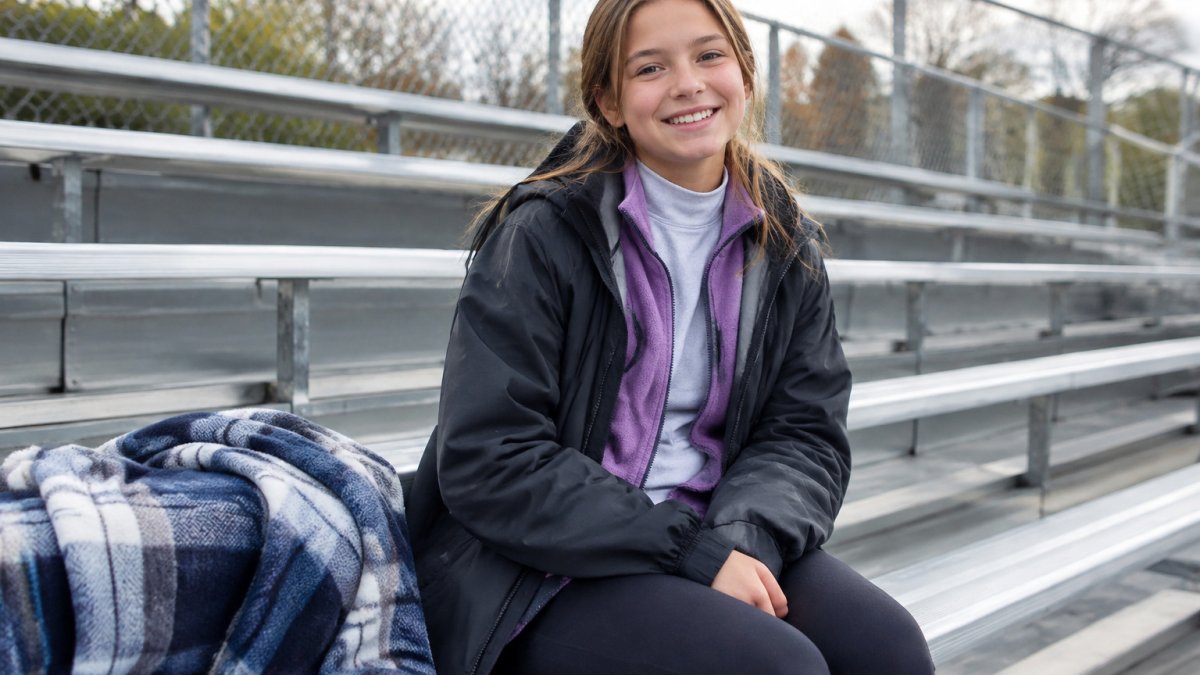
Layering works best when you build it in order, from the skin outward. Follow these three steps and you will stay warmer with fewer bulky pieces.
Step 1: Choose a Moisture-Wicking Base Layer
Start with a long-sleeve top and leggings or thermal underwear made from synthetic fabric or wool. These materials pull sweat off your skin instead of soaking it up.
- Pick a fitted (but not tight) cut so the fabric stays close to your skin
- Avoid cotton, which holds moisture and chills you
- Wear the base layer under your socks and pants too, not just your top
Step 2: Add an Insulating Midlayer
The midlayer is where the warmth comes from. Fleece, wool or a light puffer all work well. Choose one that is easy to take off, since you may need to shed it once you get to your seat in the sun.
- Fleece is soft, breathable and dries quickly
- Puffer vests keep your core warm without adding bulk to your arms, and a vest-style midlayer like the Hester Vest lets your arms move freely.
- A zip-up style lets you adjust airflow as you heat up
Step 3: Finish With a Windproof Outer Layer
The outer layer protects everything underneath from wind and light rain. Look for a jacket labeled windproof or water-resistant. A hood helps on especially breezy days.
Tip: size your outer layer one size up if you plan to wear a midlayer underneath. A tight jacket squeezes the insulation and loses warmth.
The three layering steps are easier to follow at a glance:
| Step | What to do | Key detail |
|---|---|---|
| 1. Base layer | Wear a long-sleeve top and leggings in synthetic fabric or wool | Avoid cotton, which holds moisture and chills you |
| 2. Midlayer | Add fleece, wool or a light puffer | Choose one that is easy to take off |
| 3. Outer layer | Finish with a windproof or water-resistant jacket | Size one up if wearing a midlayer underneath |
What to Wear to a 50 Degree Football Game
A 50-degree forecast is the most misleading number in stadium dressing. Sitting in shade with a 10 mph breeze can push the felt temperature into the low 40s, while a sunny, sheltered seat may feel closer to 55.
Outfit A, Open bleachers, 50 degrees, 10+ mph wind, evening game:
- Base: long-sleeve synthetic or merino wool top, plus synthetic thermal leggings
- Midlayer: grid fleece or a lightweight wool sweater, zip-up so you can vent it
- Outer: windproof, water-resistant shell with a hood and a hem that covers the waistband
- Bottoms: fleece-lined pants or flannel-lined jeans over the thermal leggings
- Feet: one pair of thin liner socks under one pair of merino wool socks, in closed-toe shoes with a little toe room
- Head and hands: knit beanie that covers the ears, liner gloves under mittens, neck gaiter
Outfit B, Covered or club-level seats, 50 degrees, light wind:
- Base: short-sleeve or long-sleeve moisture-wicking top
- Midlayer: midweight fleece or a quilted vest over a sweatshirt
- Outer: packable windbreaker rather than a heavy coat
- Bottoms: jeans or chinos with a thin thermal layer only if you run cold
- Feet: wool socks and closed-toe shoes; skip the double sock unless your shoes have room
Outfit C, Standing the whole game or moving between concourse and seats:
- Base: lightweight synthetic tee
- Midlayer: thin fleece or a hoodie you can tie around your waist
- Outer: unlined wind shell you can stuff into a pocket
- Bottoms: single-layer pants; skip thermals, because standing and walking generate heat
- Feet: breathable socks, since sweat is the bigger risk than cold when you are moving
Outfit D, 50 degrees with rain or drizzle:
- Base: synthetic only; wool is fine but cotton is not
- Midlayer: fleece that dries fast rather than down, which loses loft when wet
- Outer: waterproof shell with taped seams and a hood, not just water-resistant
- Bottoms: water-resistant pants or a shell over your regular pants
- Feet: waterproof shoes or boots, plus a spare pair of socks in a zip bag
Fit and layering order matter as much as the pieces. Wear the base layer snug but not compressive, the midlayer loose enough to trap a pocket of warm air, and the outer shell roomy enough that it does not compress the fleece underneath.
Watch out: a tight outer layer is worse than no outer layer, because it squeezes the midlayer flat and blocks the air pocket that does the insulating. Test the full stack with your arms crossed and overhead before you leave; if the shoulders pull or the sleeves ride up, size up the shell.
Bottoms deserve the same logic. Fleece-lined leggings under jeans work at 50 degrees in open bleachers, but the same combo overheats in a covered seat. Thick socks help only if your shoes have toe room; a second pair crammed into tight shoes restricts circulation and makes feet colder, not warmer.
Cold Weather Clothes List and Stadium Packing Checklist
Most cold-weather packing lists are written for a hike, not a three-hour sit in the stands. You can browse our outerwear to fill any gaps in your cold-weather layers.
Wear in, do not pack:
- Moisture-wicking base top and thermal leggings (synthetic or merino wool)
- Insulating midlayer, grid fleece, wool sweater, or quilted vest
- Windproof or water-resistant outer shell with a hood
- Warm pants or fleece-lined leggings; avoid single-layer cotton
- One pair of merino wool socks in shoes with toe room
- Beanie that covers the ears, plus a neck gaiter
- Liner gloves under mittens, or mittens alone if you run warm
Pack in a clear, small bag:
- Spare pair of wool socks in a zip bag, change at halftime if your feet sweat on the walk in
- Spare liner gloves or a second beanie for a companion
- Compact rain shell if the forecast is marginal
- Hand warmers, if the venue allows them
- A thin sit pad or folded blanket only if the venue permits it
- Lip balm and a small pack of tissues
Check before you pack: Stadium rules vary by venue and by event, and they change season to season. Most venues publish a clear-bag policy, a size limit for bags, and a list of prohibited items on the team or venue website and in the gameday email sent to ticket holders.
Wind chill, seat exposure, and time spent sitting: The forecast temperature is measured in open air, but your seat may be in shade, in a wind tunnel between decks, or on metal bleachers that pull heat out of your legs.
Managing sweat during travel: The biggest cold-day mistake happens before kickoff. A heavy coat in a warm car or crowded train makes you sweat, and damp base layers chill you once you sit down.
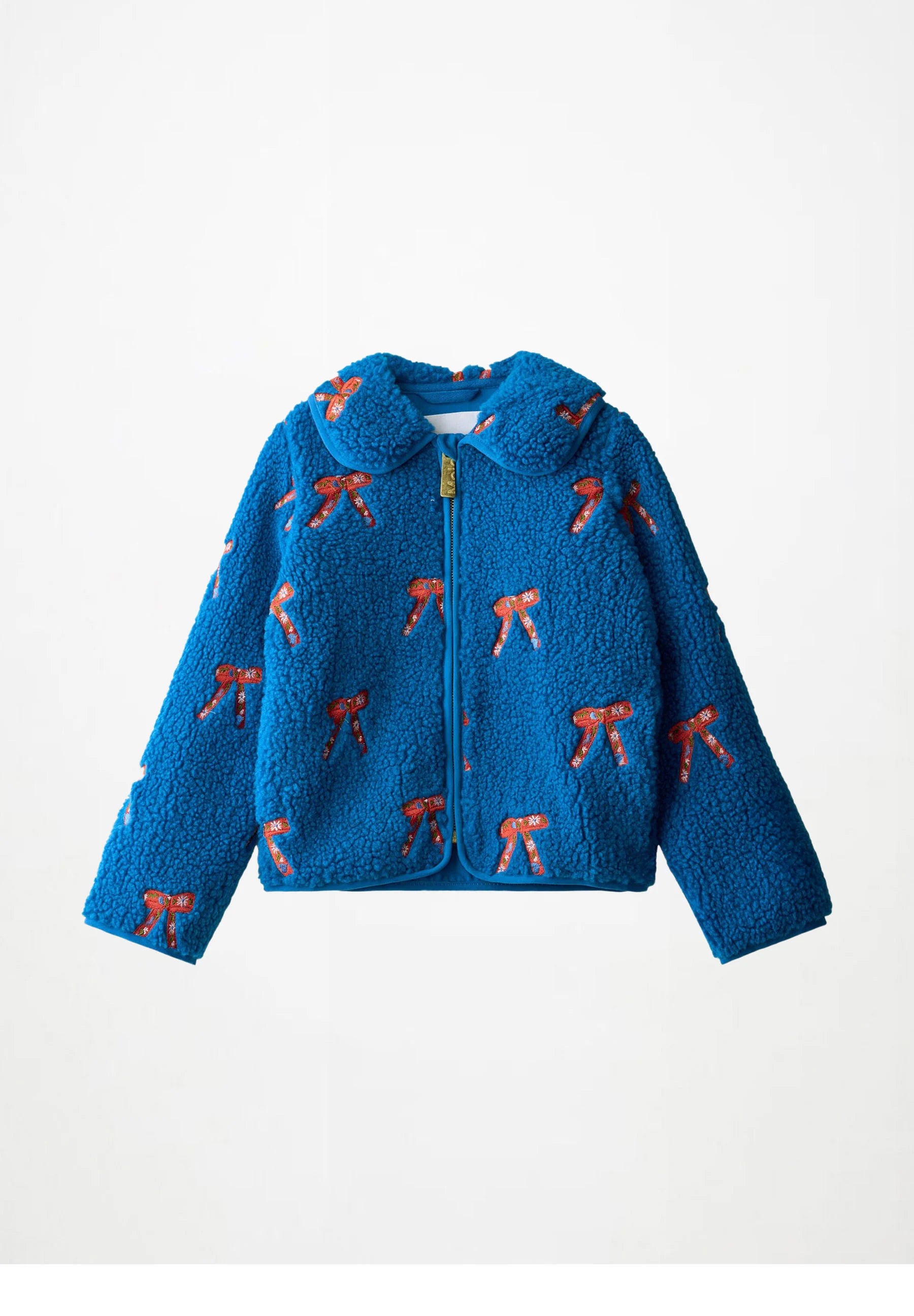
For a ready-made midlayer, the Unna Fleece Jacket adds soft warmth with a round collar, and the Hester Vest is a lightly padded vest with a full-length zip and adjustable drawstring hem.
How to Stay Warm at an Outdoor Football Game
Staying warm is about more than clothing. Small habits make a big difference over a long afternoon in the stands.
- Eat a warm meal before the game to fuel your body heat
- Drink warm beverages instead of cold ones
- Stand and move during timeouts and halftime to get your blood flowing
- Keep a dry spare pair of socks in your bag for halftime changes
Wind is the biggest factor on exposed seats. Position yourself behind a windbreak, such as the stadium wall or other fans, when you can. Your neck, wrists and ankles lose heat quickly, so cover them first.
Booking Your Gameday Layers at Sadie's
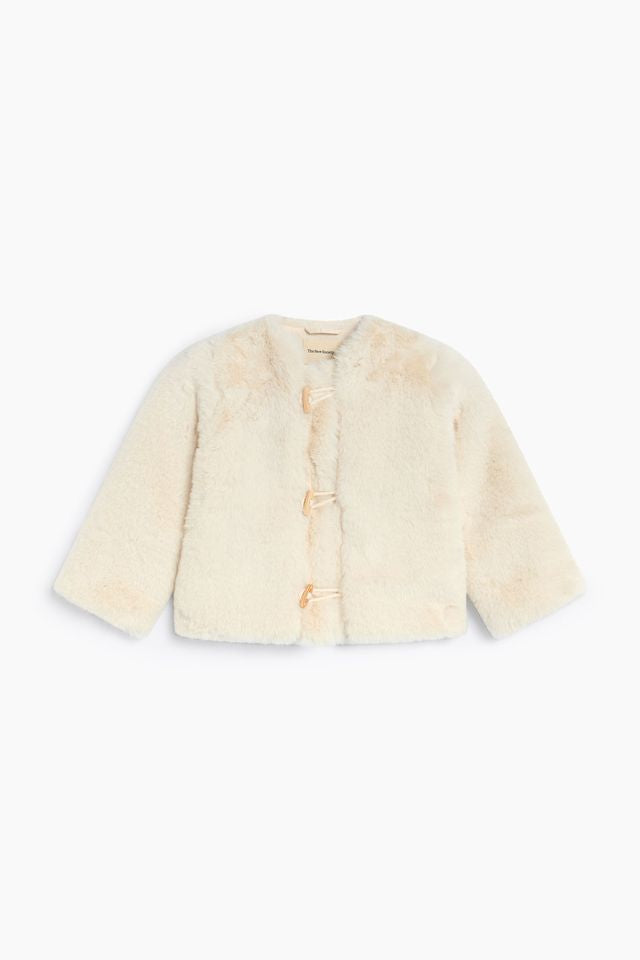
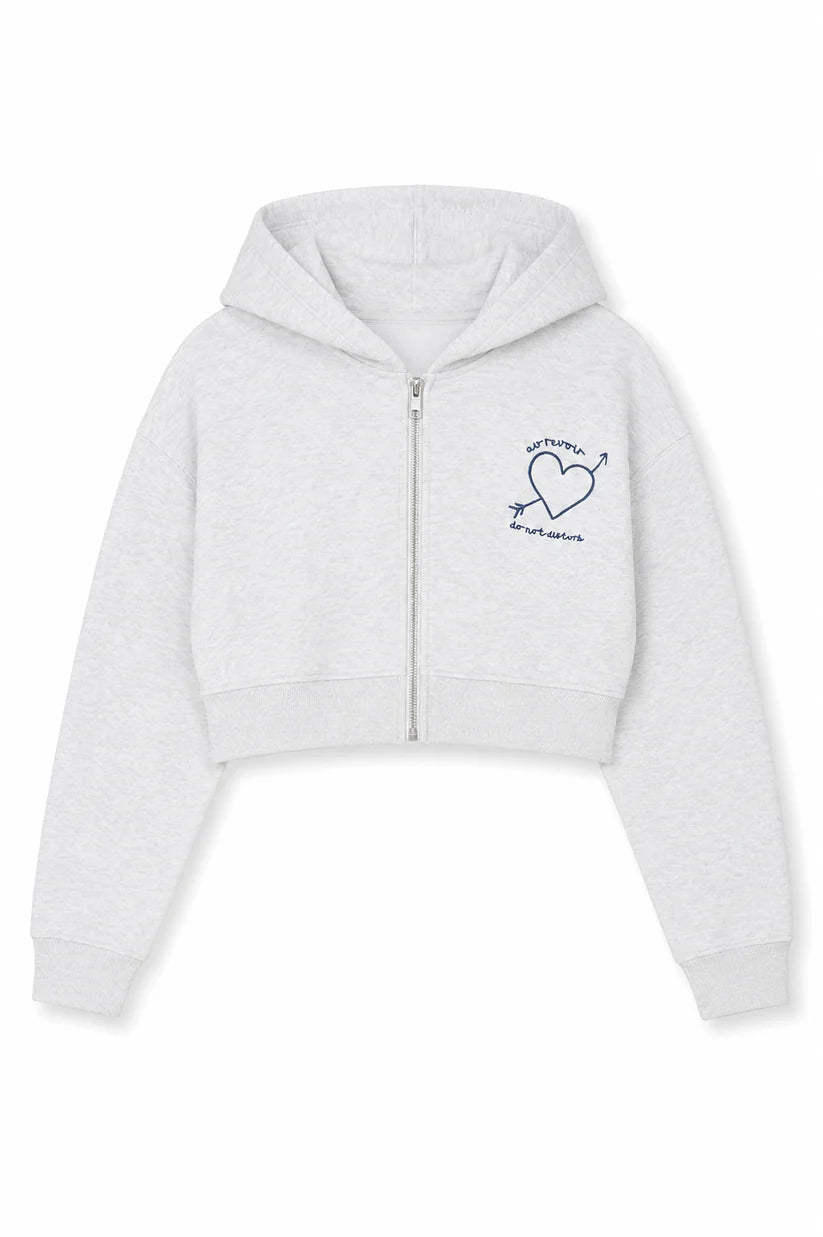
The Haven Coat is built for layering through changing seasons, and the Mia White Grey French Terry Zip up Hoodie makes an easy midlayer that zips on and off. Browse our gameday collection to find pieces that match your team spirit and keep you warm.
Last Updated: November 19, 2026
Frequently Asked Questions
What is the 3-layer rule for winter clothing?
The 3-layer rule uses a base layer to move sweat away from the skin, an insulating midlayer such as fleece or a padded layer to trap body heat, and a windproof or water-resistant outer shell to block wind and moisture. For a cold stadium day, this system lets you add or remove one layer as the temperature shifts between kickoff, halftime and a windy fourth quarter, without overheating or getting chilled.
What should you wear to a 50-degree football game?
At 50 degrees, most fans do well with a long-sleeve moisture-wicking base layer, a fleece or lightweight zip hoodie as the midlayer, and a windbreaker or light coat on top. Add warm socks, closed shoes and a hat. Because you will sit still for hours and wind exposure in open stands can make it feel colder, plan for a slightly warmer outfit than you would wear while walking around town.
How can you stay warm at an outdoor game without wearing bulky clothes?
Focus on thin, warm materials instead of heavy ones. Thermal base layers, fleece midlayers and a windproof shell trap heat without adding bulk. Keep your head, hands and feet covered, since those areas lose heat fastest, and use a neck warmer or scarf to block wind at the collar. Hand warmers in your pockets add heat without making your jacket harder to move in.
What accessories help keep you warm at a cold stadium?
A knit hat, gloves or mittens, a neck warmer and warm socks make the biggest difference because head, hands, neck and feet lose heat quickly while sitting. Hand warmers can be slipped into gloves or pockets. Check the stadium's bag and blanket rules before you go, since some venues limit what fans can bring in, and choose accessories that you can wear rather than carry.

